Basement and lower-level water can damage flooring, drywall, stored contents, framing, and mechanical areas quickly. Our McKinney basement water removal team extracts standing water, checks hidden moisture, dries affected materials, and helps prevent odor and mold problems.
Tell us how deep the water is, where it entered, and whether electrical or HVAC equipment is nearby. We will help you decide the safest next step.
Basement water removal requires care because water often collects in low areas and stays in contact with materials longer than it would on upper floors. It can come from heavy rain, plumbing failures, sump pump issues, foundation seepage, drain backups, or appliance leaks. Each source affects how cleanup, drying, and sanitation should be handled.
Finished lower levels and storage areas need extra attention because contents can hide moisture and restrict airflow. We check around boxes, furniture, wall edges, and mechanical areas so the basement does not stay damp after water is removed.
We start by checking safety and identifying the likely source. Standing water near electrical panels, outlets, water heaters, or HVAC equipment should not be entered without caution. Once the area is safe, we remove water with pumps or extractors and inspect walls, flooring, storage items, and nearby rooms for moisture migration.
As your trusted Local Water Damage Experts, we are dedicated to protecting your property and ensuring complete recovery.
Basements can stay humid even after water is removed. Concrete, framing, trim, carpet, and drywall may hold moisture, while boxes and stored contents can trap damp air. We use dehumidification, air movement, moisture readings, and material removal when needed to help the space dry instead of simply looking cleaner.
Basement jobs also require attention to contents and long-term humidity. Boxes, rugs, furniture, and stored seasonal items can keep moisture trapped even after the floor is extracted. We help identify what should be moved, dried, cleaned, or discarded so damp contents do not keep the space humid. If the source is a sump issue, drain backup, or seepage, we explain how that affects cleanup and what should be handled before finished materials are repaired.
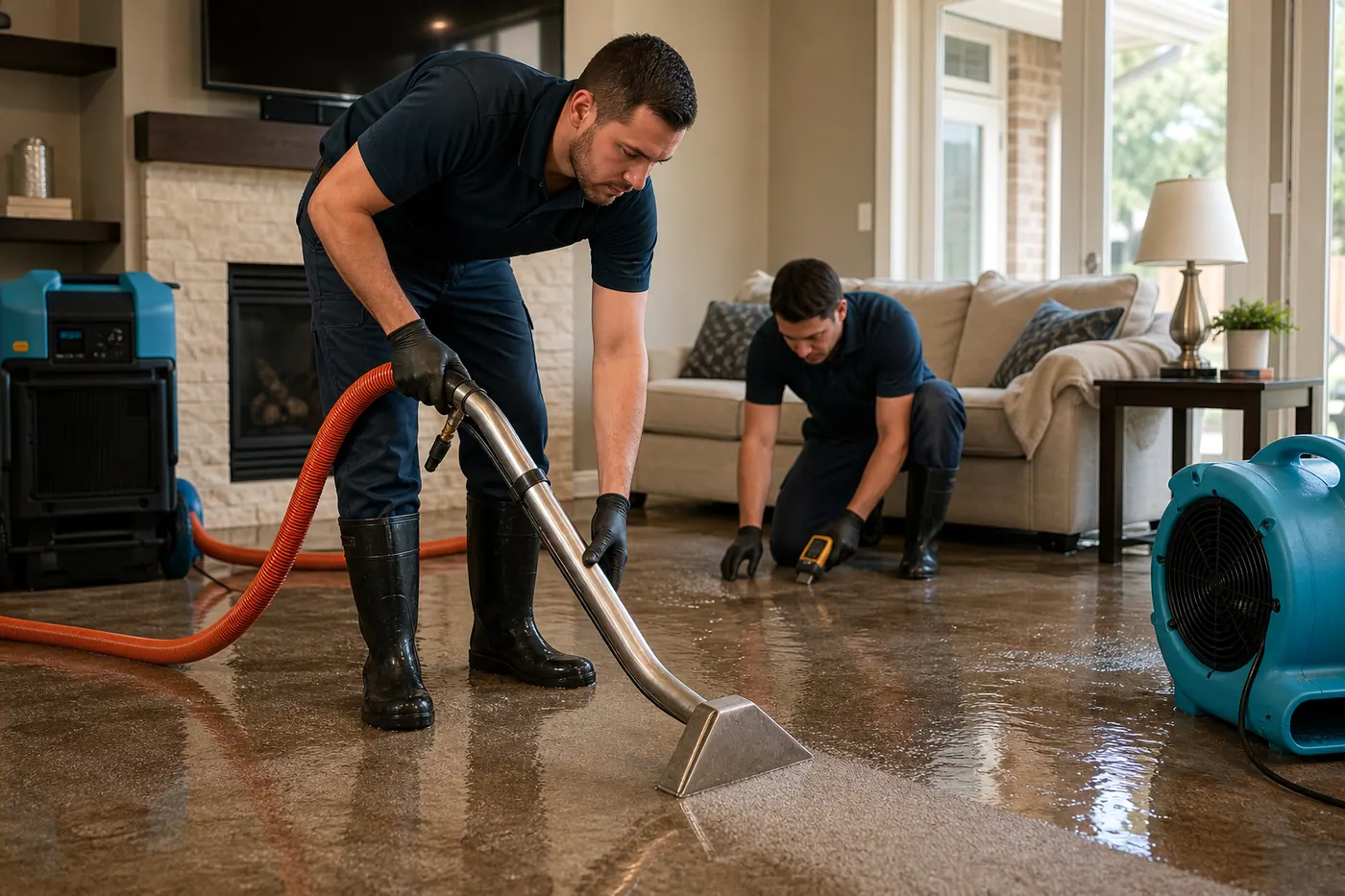
Basement water should be removed quickly because it can soak stored contents, wall materials, flooring, and mechanical areas.
Pumps, extractors, dehumidifiers, air movers, and moisture meters help us remove water and manage basement humidity during drying.
Our technicians understand basement risks, including sump failures, seepage, drain backups, wet carpet, concrete moisture, and odor concerns.
We document the water source, affected materials, extraction work, and drying progress for property owners and insurance review.
Basement water removal is handled with safety first, then extraction, material evaluation, drying, and repair planning.
Basement drying also requires humidity control beyond the wet floor. Lower levels can hold damp air, especially when contents, boxes, or finished walls are involved. We monitor the environment and the materials so the basement does not stay musty after the standing water is gone.
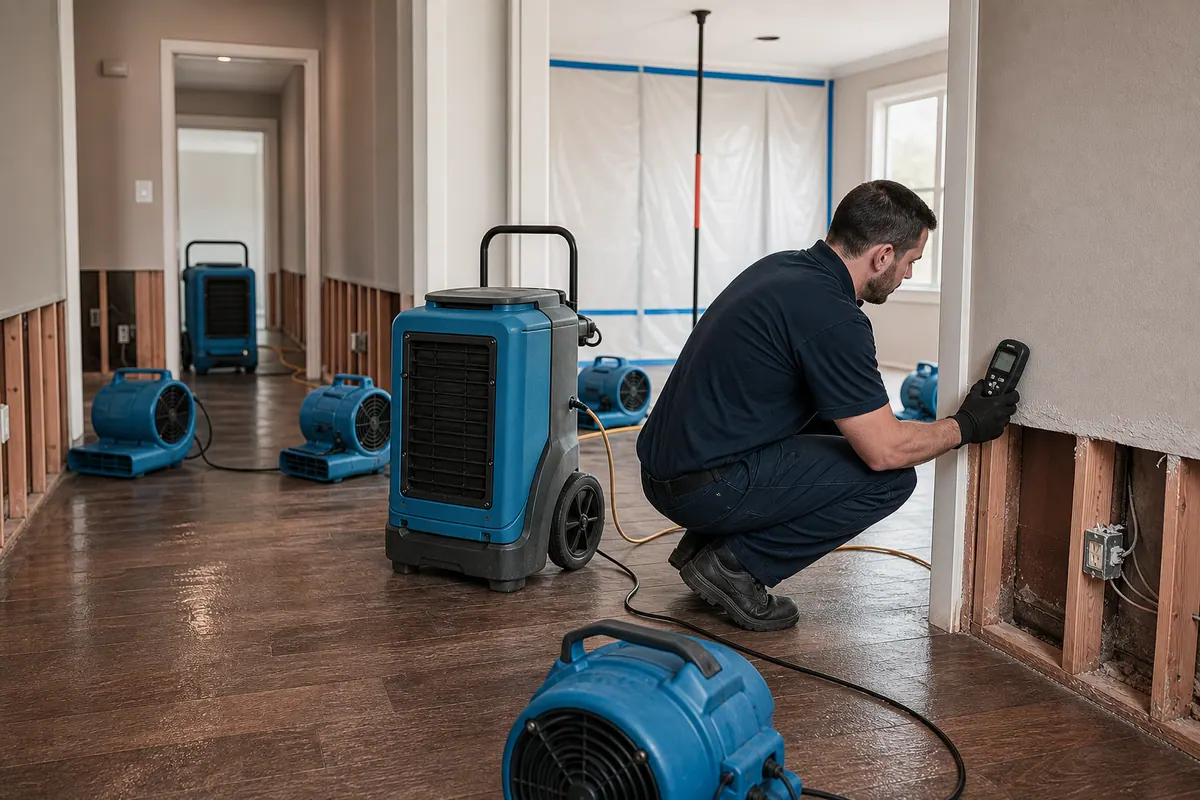
Call quickly, especially if water is near electrical equipment, finished walls, carpet, or stored belongings. The longer basement water sits, the more moisture and odor problems can develop.
Coverage depends on the source. A sudden plumbing leak may be handled differently than seepage or outside flooding. We document the source, damage, and cleanup steps so your carrier can review the facts.
Yes. Basements often dry slowly because of limited airflow and humidity. Mold risk increases when wet materials, stored contents, or damp wall cavities are left untreated.
If water is sitting in your basement or lower level, call our McKinney team. We can remove the water, check hidden moisture, and start drying. We will help you remove the water, protect stored items when possible, and dry the lower level before repairs begin. We will also help identify whether the source points to plumbing, drainage, seepage, or equipment failure. That extra review helps reduce repeat odors and protects finished materials after the lower level is put back together.