Water mitigation is the first line of defense after a leak, overflow, storm intrusion, or appliance failure. Our McKinney team works quickly to stop additional damage, remove water, protect unaffected rooms, and begin controlled drying before the loss spreads deeper into the structure.
Send your contact details and a quick description of the water source. We will help you decide what to shut off, what to avoid touching, and when a mitigation crew should come out.
Mitigation is not the same as final repair. It is the emergency phase that limits the damage before rebuilding begins. Done correctly, mitigation can reduce demolition, protect contents, lower mold risk, and give the insurance company a clear record of what happened. For McKinney property owners, that first day matters because wet materials can change fast in Texas heat and humidity.
Our mitigation work starts by controlling the source and separating affected areas from unaffected spaces when needed. We inspect baseboards, walls, floors, cabinets, and adjacent rooms to find where moisture traveled. Then we remove standing water, address saturated materials, and place drying equipment based on the type of material and the amount of moisture present.
As your trusted Fast and Reliable Restoration Team, we are dedicated to protecting your property and ensuring complete recovery.
The best mitigation plan is measured and practical. Some materials can dry in place with proper airflow and dehumidification. Others, like wet carpet pad, contaminated insulation, or swollen particleboard, may need removal. We explain what should be saved, what should be removed, and why, so you can make decisions with confidence instead of panic.
Mitigation is also where costly mistakes are avoided. Running fans without dehumidification can spread humidity through the property. Removing too much material can increase repair costs, while removing too little can leave damp insulation, carpet pad, or drywall behind. We use readings and field experience to decide how aggressive the response should be. That gives McKinney property owners a practical mitigation plan instead of a rushed cleanup that only addresses what is visible.
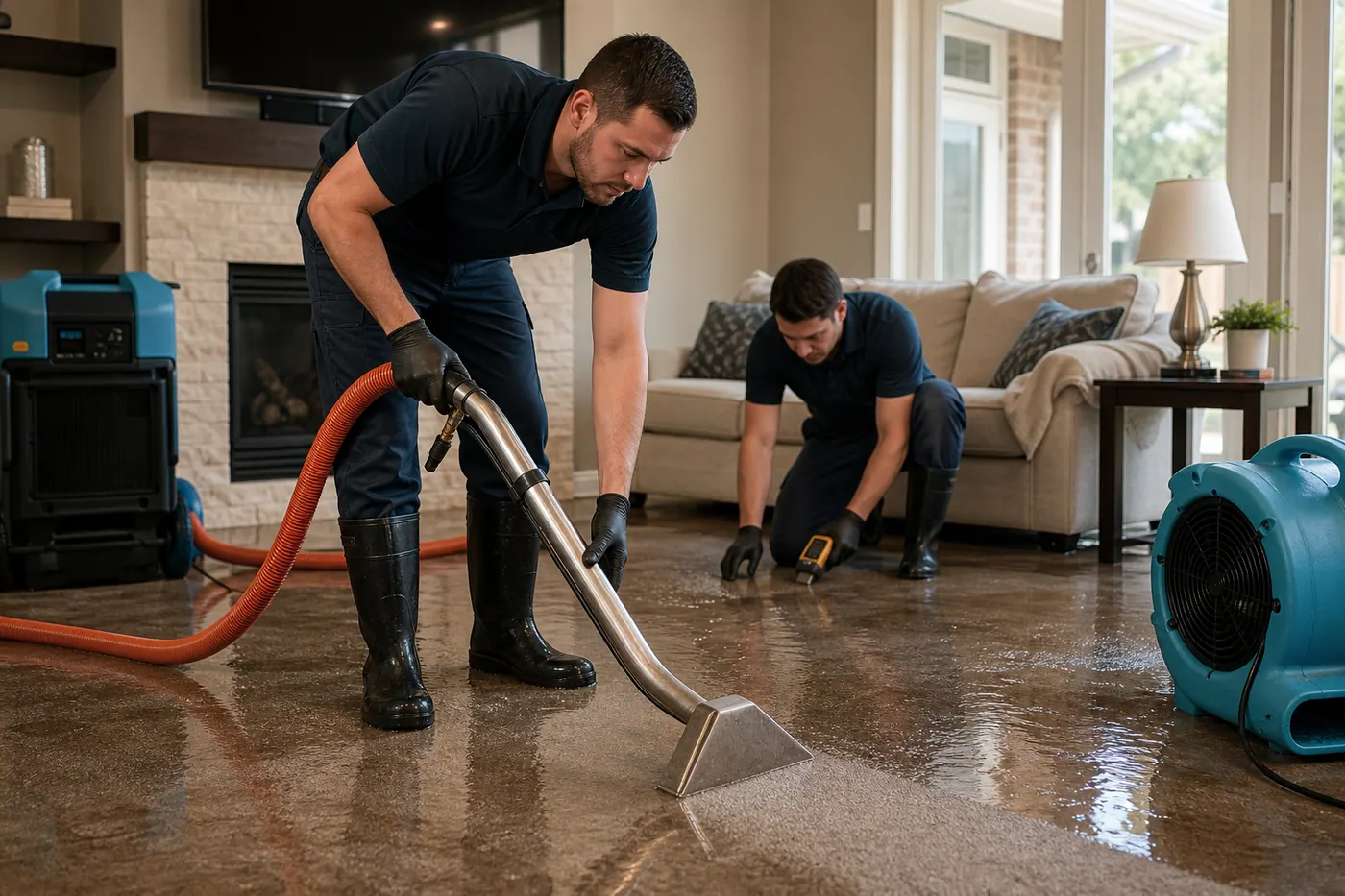
Mitigation work is time sensitive. We focus first on stopping the source, removing water, and protecting dry areas from becoming part of the loss.
Moisture meters, extraction tools, air movers, and dehumidifiers help us make decisions from actual readings instead of visual guesses.
Our technicians understand drying behavior in drywall, wood, carpet, insulation, and cabinetry, which helps avoid both under-drying and unnecessary tear-out.
Photos, moisture maps, equipment logs, and daily notes help support the claim and show why each mitigation step was taken.
A good mitigation process is calm, organized, and focused on preventing secondary damage. We move from source control to extraction, then into drying and documentation.
During mitigation, we also review the conditions that could slow drying or increase the scope. Closed wall cavities, wet insulation, cabinet bases, and flooring layers can all hold moisture longer than expected. We explain those findings before changing the setup, so you understand whether the job needs more airflow, selective material removal, or continued monitoring before repairs can begin.
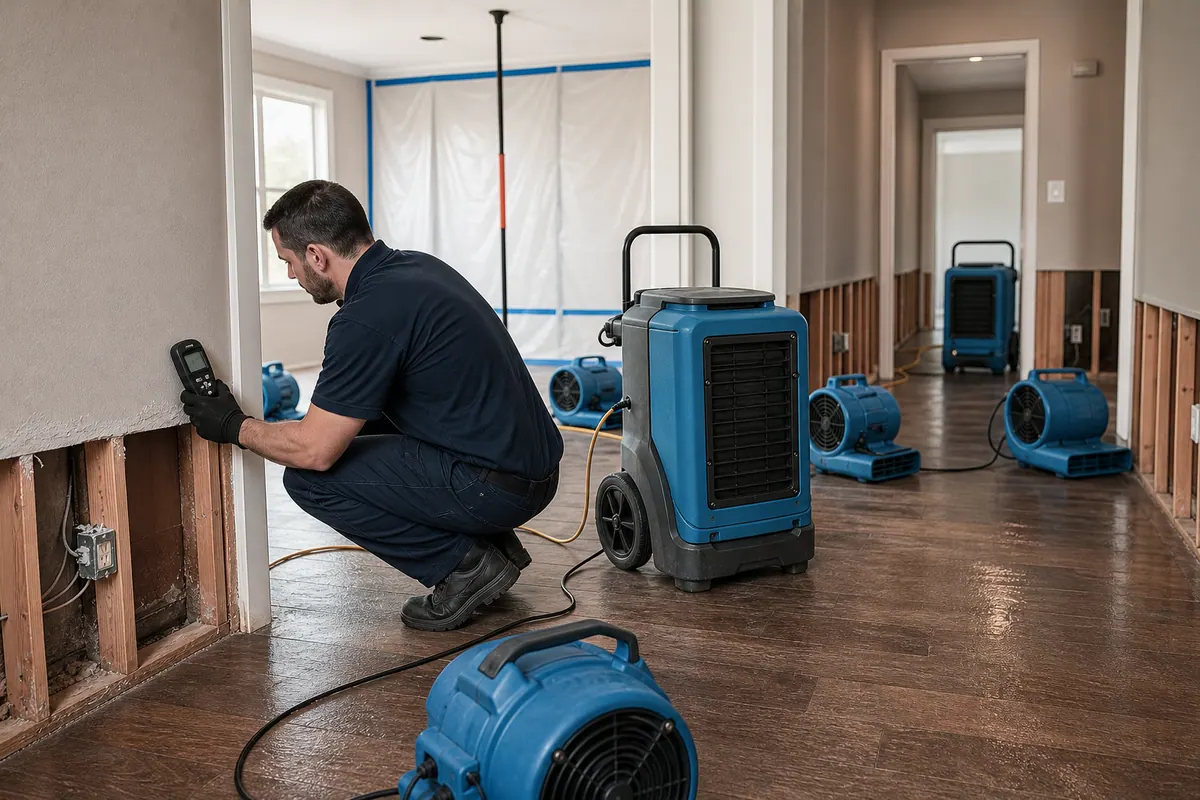
You should start mitigation as soon as the source is controlled or safe to approach. Waiting can allow water to migrate into wall cavities, beneath flooring, and into nearby rooms, which usually increases both cost and disruption.
Coverage depends on the cause of the water and the policy language. Sudden events are often reviewed differently than slow leaks or outside flooding. Our job documentation helps show what was affected and what emergency steps were needed.
Mitigation reduces mold risk by removing water quickly and drying hidden moisture. It does not replace mold remediation if growth is already present, but it can help prevent a clean water loss from becoming a larger indoor air quality concern.
If you need water mitigation in McKinney, call before the damage spreads. We can help stabilize the property, document the loss, and begin drying right away. We will explain the moisture findings, the equipment plan, and the next repair steps so you are not left guessing.