Flood damage can affect flooring, walls, contents, insulation, and indoor air quality at the same time. Our McKinney flood damage restoration team removes water, handles affected materials, dries the structure, and helps document the work from the first inspection forward.
Tell us where the water entered, how long it has been present, and whether any rooms still have standing water. We will help you plan the safest response.
Flood damage restoration requires a careful approach because water may come from storms, surface runoff, broken plumbing, or rising water. The source determines how materials are handled. Outside floodwater and drain backups can carry contaminants, while clean water from an interior supply line may allow more salvage options. McKinney properties can face both storm-related water and plumbing failures, so classification matters.
Local storms can overwhelm drainage around patios, garages, and lower entries. When flood damage affects a property, we look at both the visible water line and the areas where moisture may have traveled after the first rush of water slowed down.
We begin with safety, source identification, and moisture mapping. Floodwater can travel under flooring, behind baseboards, into wall cavities, and around built-ins. Some damage is obvious, such as wet carpet or standing water. Other damage is hidden, especially where water wicks into drywall or sits under floating floors. Our inspection helps separate surface cleanup from true restoration needs.
As your trusted Water Mitigation Specialists, we are dedicated to protecting your property and ensuring complete recovery.
The restoration plan may include water extraction, removal of contaminated or unsalvageable materials, antimicrobial treatment, structural drying, odor control, and repair planning. We explain why each step is needed so property owners understand the difference between drying, cleaning, and reconstruction. That clarity helps reduce delays and avoids covering up moisture that should be addressed first.
Flood damage can also affect belongings and building systems. Furniture, rugs, stored items, cabinets, baseboards, outlets, and HVAC-adjacent areas may all need review. We help separate salvageable contents from items that should be cleaned, dried, or discarded. When floodwater may be contaminated, that decision becomes even more important. A careful scope protects the property and gives you a clearer path from emergency cleanup to reconstruction.
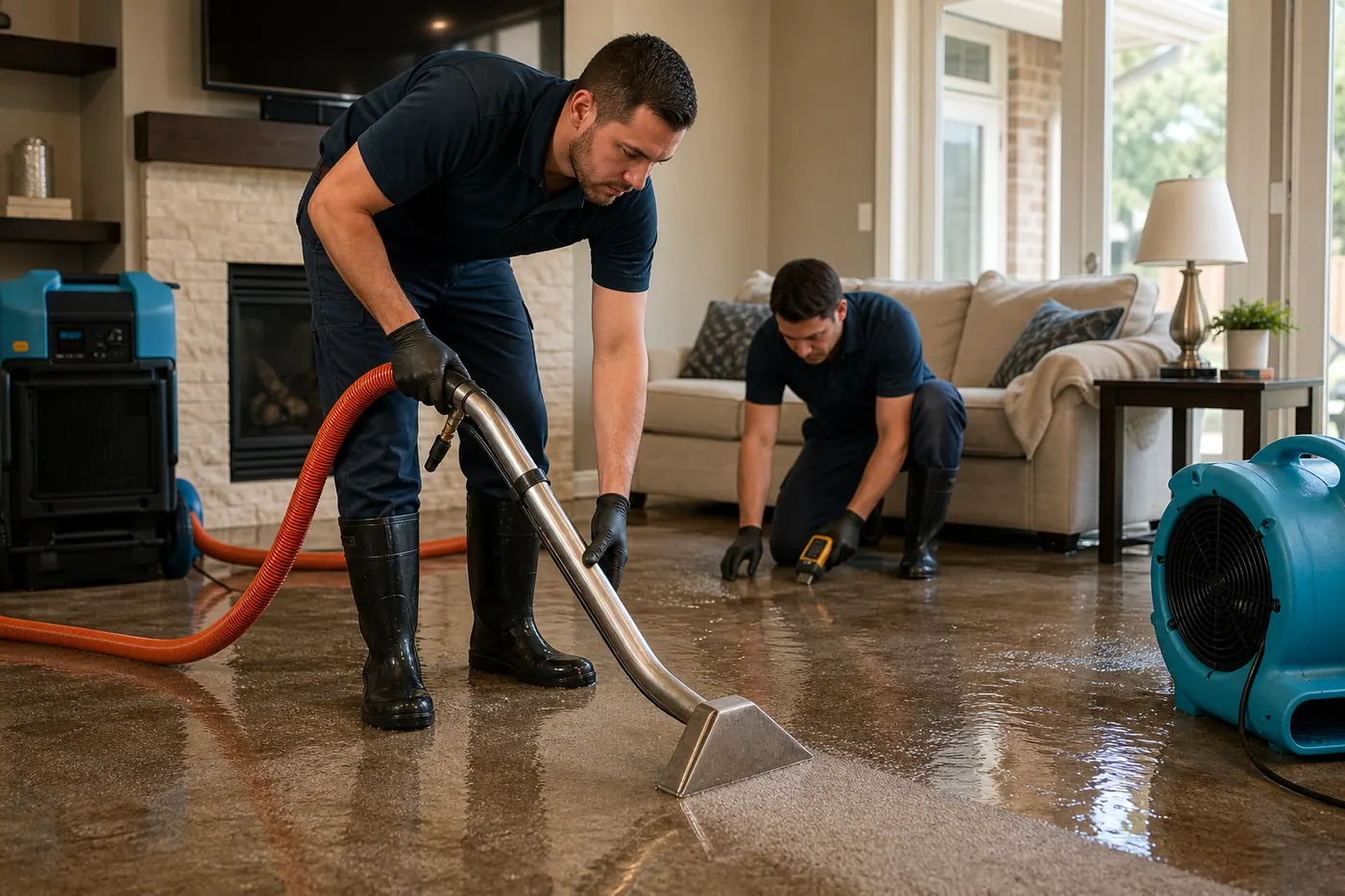
Flood situations can spread quickly across rooms. We prioritize water removal, safety concerns, and protection of nearby dry areas.
Pumps, extractors, air movers, dehumidifiers, moisture meters, and cleaning products are selected based on water source and material condition.
Technicians evaluate contamination risk, porous materials, drying potential, and structural concerns before recommending removal or drying.
Flood losses often need detailed documentation. Photos, readings, and scope notes help support conversations with your insurance carrier.
Flood restoration is handled in phases so cleanup does not move faster than safety or drying conditions allow.
Flood restoration also requires decisions about what should be cleaned, dried, removed, or protected for later review. We make those decisions in sequence instead of tearing into everything at once. That helps preserve materials when possible while still respecting contamination, saturation, and safety concerns.
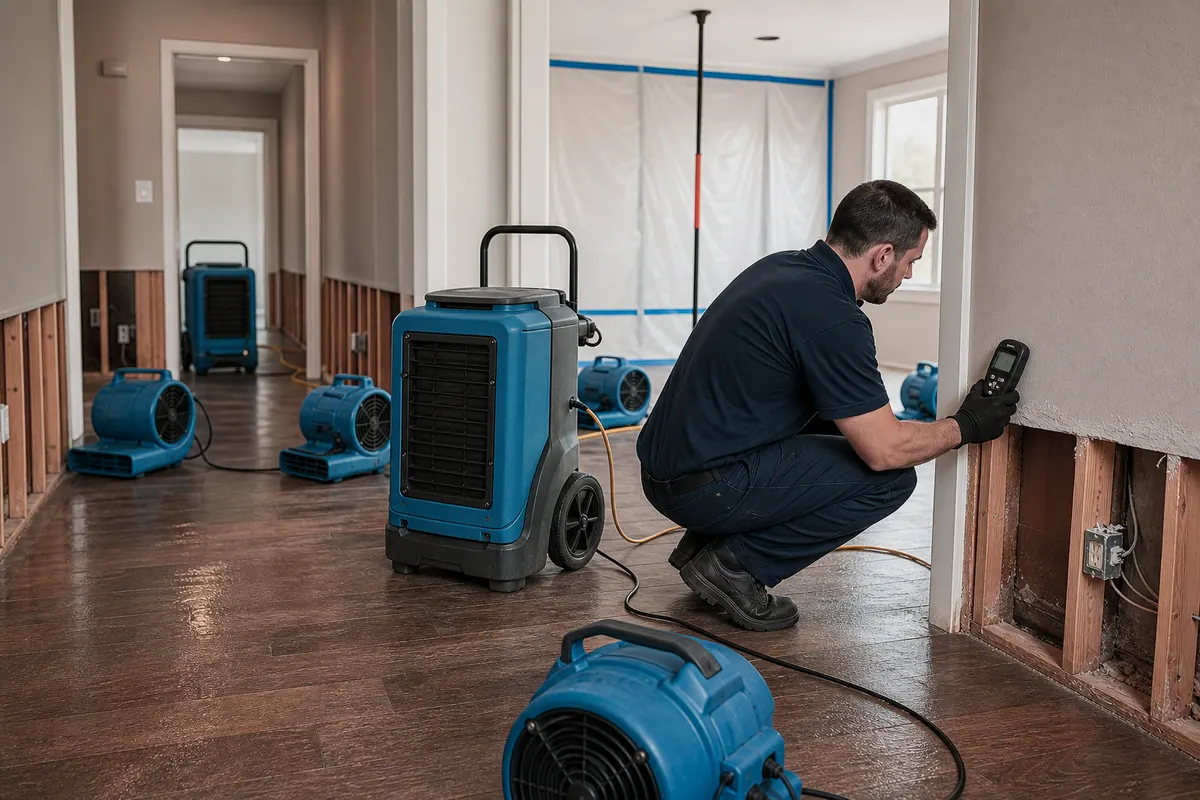
You should call once the area is safe to enter or as soon as you discover the flooding. Do not walk through water near electrical outlets, sagging ceilings, or unknown contamination. A professional assessment helps determine the safest next step.
Coverage depends on the source of the flood. Interior sudden water damage may be handled differently than outside floodwater, which often requires separate flood insurance. We document the source and damage so the claim review has clear information.
Mold is a real concern after flood damage because moisture can remain under floors and behind walls. Fast extraction, material removal when needed, dehumidification, and moisture monitoring are all part of reducing that risk.
If flooding has affected your McKinney property, call for a careful inspection and cleanup plan. The sooner drying starts, the more options you usually have. We will assess the source, moisture spread, and material condition so the restoration plan fits the actual damage.