A sewage backup is a health hazard, not just a water problem. Our McKinney sewage cleanup team removes contaminated water, protects affected areas, handles unsafe materials, applies appropriate cleaning steps, and prepares the property for drying and repair.
Tell us where the backup occurred, whether water is still coming up, and which rooms are affected. We will help you avoid unsafe contact and plan dispatch.
Sewage cleanup requires strict handling because Category 3 water may contain bacteria, viruses, waste, and other contaminants. Porous materials that soak up sewage often need removal rather than drying in place. The cleanup must protect occupants, workers, unaffected rooms, and the structure itself. In McKinney homes, backups commonly affect bathrooms, laundry rooms, utility rooms, and lower-level spaces.
Sewage problems can affect bathrooms, laundry rooms, utility spaces, and lower-level areas with little warning. We treat these calls carefully because even a small backup can expose flooring, trim, wall edges, and contents to contaminated water.
The first priority is safety. We assess the affected area, stop access where needed, remove contaminated water, and identify materials that cannot be cleaned safely. Carpet pad, insulation, some drywall, and porous contents may need disposal. Hard surfaces and framing may be cleaned, treated, and dried once contaminated materials are removed.
As your trusted Emergency Restoration Professionals, we are dedicated to protecting your property and ensuring complete recovery.
Odor control and drying are also important. Sewage cleanup that stops after water removal can leave moisture, residue, and odor behind. We combine extraction, removal, cleaning, antimicrobial treatment when appropriate, dehumidification, and documentation so the space can move toward safe repair.
Sewage cleanup also requires careful control of cross-contamination. Shoes, tools, wet contents, and cleanup water can spread contamination into clean rooms if the job is not managed properly. We keep affected areas separated as needed and focus on removing the source of contamination before drying. That may feel more involved than ordinary water cleanup, but it protects the people using the property and prevents contaminated materials from being hidden behind new finishes.
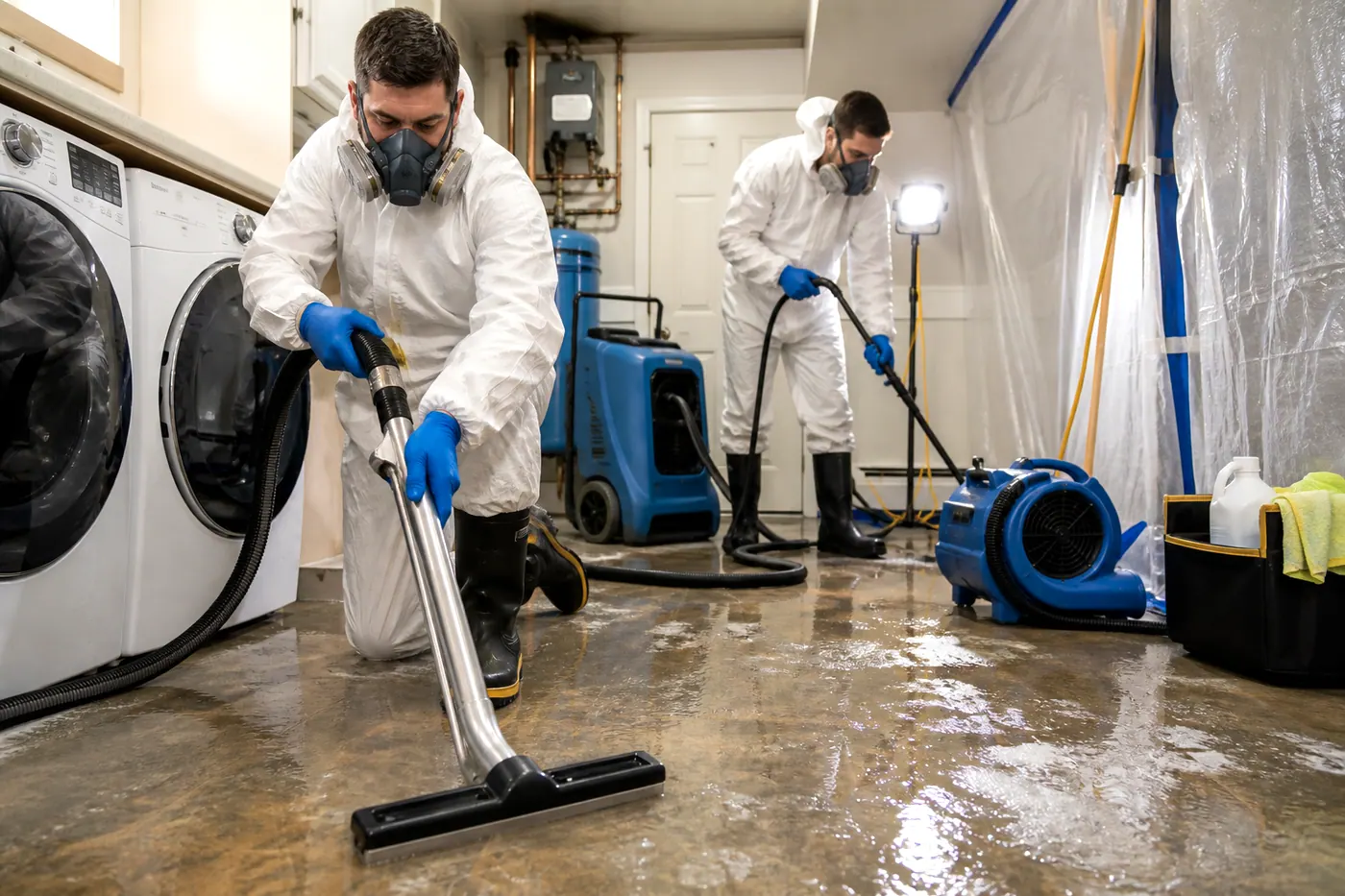
Sewage backups should be handled quickly because contaminated water can spread under walls, into flooring, and across nearby rooms.
PPE, extraction tools, containment supplies, cleaning products, air movers, and dehumidifiers are used based on the severity of the backup.
Our technicians understand Category 3 water protocols, affected material removal, cleaning limits, and drying needs after contamination.
We document affected areas, removed materials, cleaning steps, and drying progress for property owners and insurance review.
Sewage cleanup is handled carefully from start to finish. The work must control contamination first, then remove water, clean surfaces, dry the structure, and plan repairs.
In sewage situations, the process also includes deciding what cannot remain in the property. Some porous materials are not worth the health risk after direct sewage contact. We explain those limits clearly so cleanup decisions are based on safety, not appearance or guesswork.
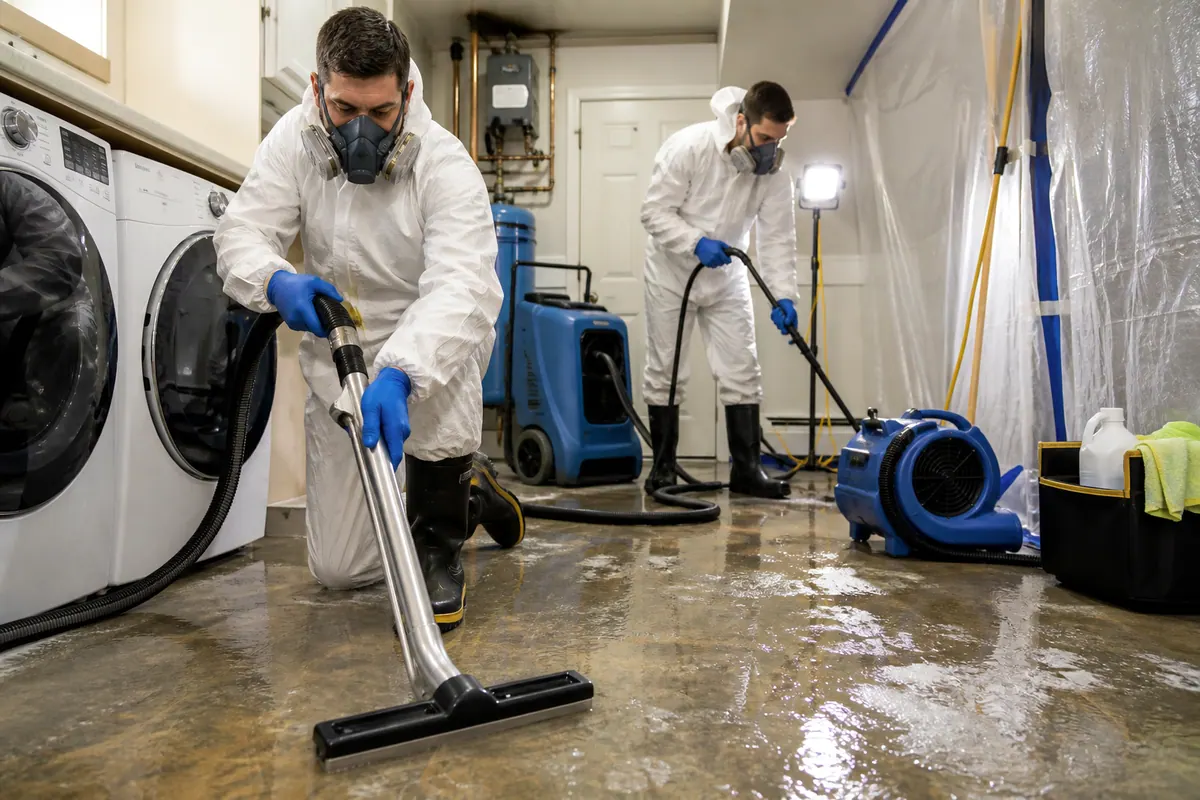
A sewage backup should be treated as urgent. Avoid contact with the water and keep children, pets, and unnecessary foot traffic away from the area until it has been assessed and contained.
Some policies include backup coverage, while others require an endorsement. Coverage can vary by cause and policy language. We document the backup, contamination, removed materials, and cleanup steps for claim review.
Yes. Sewage backups create both moisture and contamination concerns. Mold can develop if the structure remains damp, and contaminated porous materials can create odor and health concerns if they are not handled properly.
If sewage has backed up into your McKinney property, do not wait or try to clean it like ordinary water. Call for safe removal, cleanup, and drying. We will help you keep the area contained, remove unsafe materials, and move toward a clean, dry repair plan. We will also explain which items should not be handled until the contaminated area has been properly cleaned and dried.