Mold often points to a moisture problem that needs more than surface cleaning. Our McKinney mold remediation team identifies affected areas, controls spread, removes contaminated materials when needed, cleans surfaces, and helps address the moisture conditions that allowed growth.
Tell us where you see or smell mold and whether there was a recent leak, flood, or humidity issue. We will help you decide the next step.
Mold remediation should be handled with containment, removal controls, and moisture awareness. Spraying over visible growth or wiping the surface does not solve the underlying problem if damp drywall, wood, or insulation remains. McKinney homes can develop mold after roof leaks, plumbing leaks, AC drain issues, flooding, or poor drying after water damage.
McKinney humidity can make unresolved moisture problems worse, especially around bathrooms, AC closets, kitchens, and exterior walls. We look for the reason mold started so the cleanup is tied to a practical moisture correction plan.
We begin by looking for moisture sources and affected materials. Mold can grow behind cabinets, under sinks, around baseboards, inside wall cavities, and near HVAC or attic-related leaks. The scope depends on the amount of growth, the material involved, and whether the source has been corrected. Porous materials with significant growth may need removal rather than cleaning.
As your trusted Property Restoration Professionals, we are dedicated to protecting your property and ensuring complete recovery.
A proper remediation plan may include containment, negative air or air filtration when appropriate, safe removal of affected materials, HEPA vacuuming, cleaning, antimicrobial treatment, and drying. The goal is to remove growth at the source and reduce conditions that allow it to return. We also explain what repairs should wait until moisture has been corrected.
Remediation is most effective when the scope is realistic. A small area under a sink may need limited containment and material removal, while a larger wall or room may require more controls. We explain those differences before work begins. We also look for the moisture source because cleaning mold without correcting the leak or humidity issue only delays the problem. That practical approach helps McKinney property owners avoid repeated cleanup and unnecessary disruption.
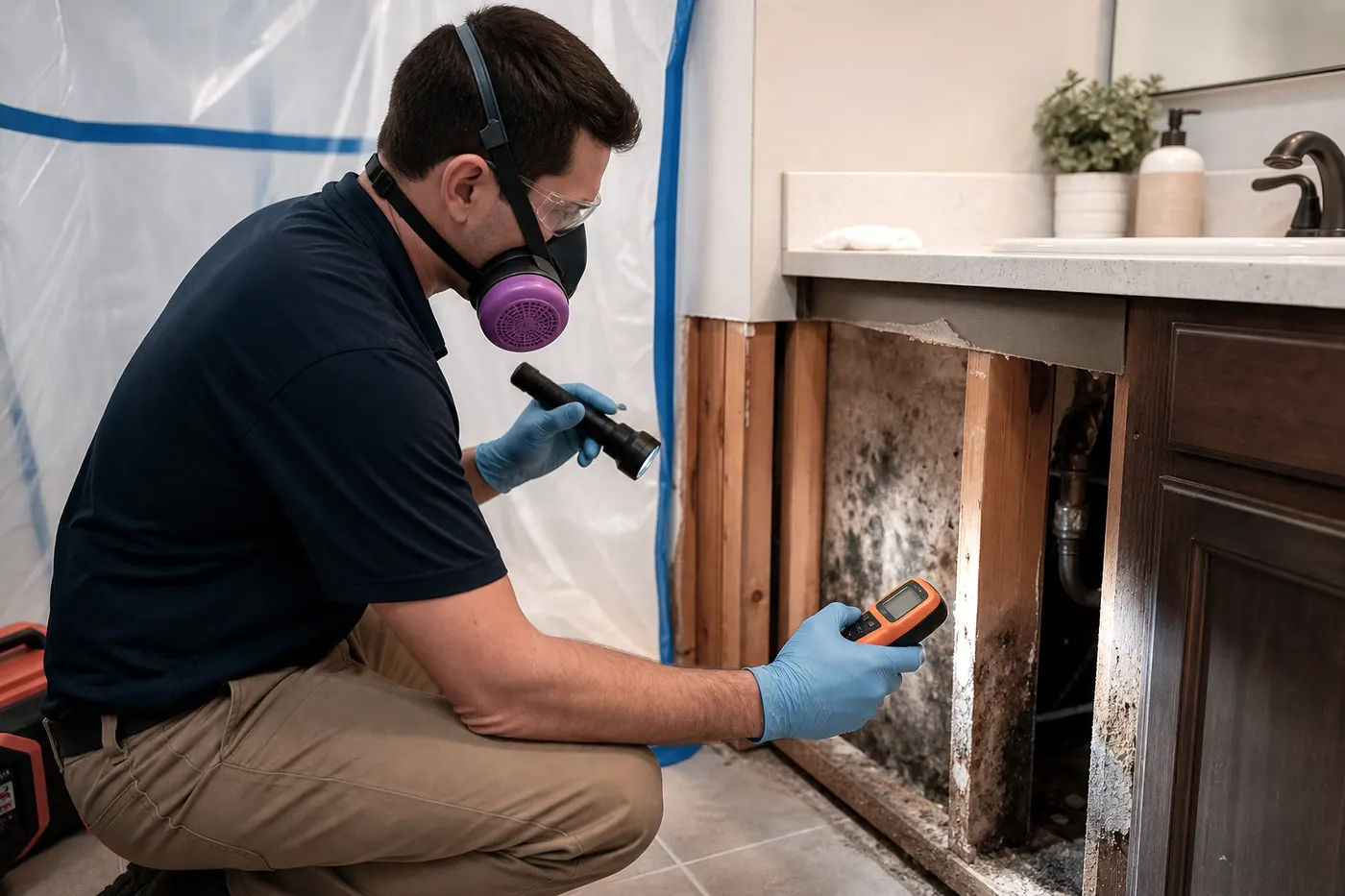
Mold should be addressed promptly when growth is visible, odors are persistent, or a recent water loss was not dried properly.
Containment materials, HEPA-filtered equipment, moisture meters, cleaning tools, and drying equipment are selected based on the scope of the problem.
Our technicians understand how mold relates to moisture, material type, airflow, and prior water damage, which helps avoid shallow cleanup.
Documentation can include photos, moisture findings, removed materials, and remediation steps so the work is clear and organized.
Mold remediation is careful work. The process controls spread first, removes affected materials or growth, cleans the area, and addresses moisture so repairs can be made responsibly.
During remediation, containment and source control are just as important as removal. We avoid disturbing affected materials until the work area is controlled, then focus on removing growth and correcting the damp condition that supported it. That is what helps the cleanup hold up after repairs are complete.
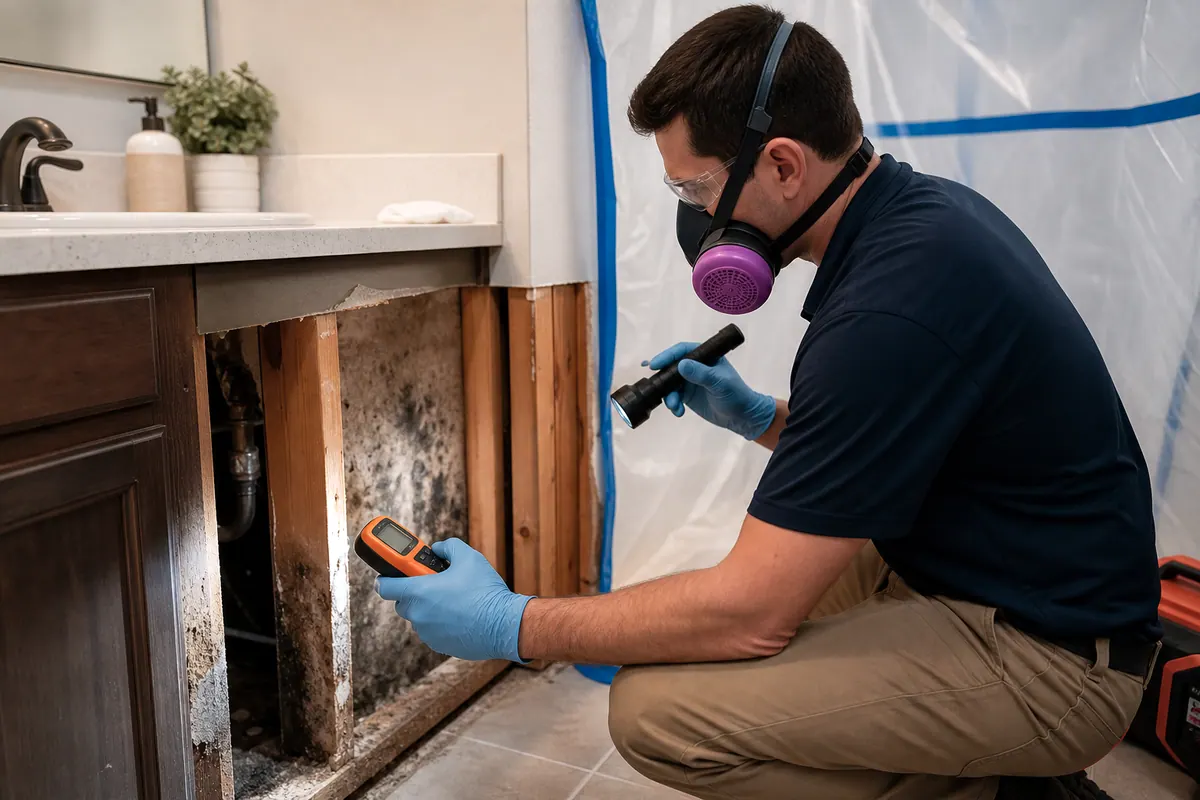
Response should be prompt, especially if mold is spreading, odors are strong, or the affected area is near living spaces. Mold work should not be rushed without containment, but waiting can allow the moisture problem to worsen.
Coverage varies. Mold may be covered when tied to a covered water loss, but many policies have limits or exclusions. Clear documentation of the water source, affected area, and remediation scope is important.
Yes. Mold is a moisture problem. If the leak or damp condition is not corrected, growth can return after cleaning. That is why moisture readings and source control are part of responsible remediation.
If you see mold or smell a musty odor in your McKinney property, call for an inspection. We can help identify the moisture source and plan safe remediation. We will identify the likely moisture source, explain the remediation scope, and help you plan repairs after affected materials are handled.