Fire damage often leaves smoke, soot, odor, water damage, and damaged materials behind. Our McKinney fire damage restoration team helps clean affected areas, manage odor, dry water from firefighting or sprinklers, and plan repairs after the property is safe to enter.
Tell us what happened, which rooms were affected, and whether water was used to control the fire. We will help you plan cleanup and restoration steps.
Fire damage restoration is not limited to burned materials. Smoke can travel through rooms, vents, closets, and porous surfaces. Soot can stain walls, ceilings, contents, and fixtures. Water from firefighting can soak flooring, drywall, and insulation. A proper restoration plan looks at all of these issues together instead of treating them as separate problems.
Even a contained fire can affect rooms beyond the source area. Smoke can travel through open doors, vents, and ceiling cavities, while water from the response can create a separate drying need that should be addressed before finishes are repaired.
We inspect the affected rooms, nearby smoke paths, and water-damaged areas. Light smoke cleanup may require careful surface cleaning and odor control. Heavier damage may require removal of charred materials, drywall, insulation, flooring, or contents that cannot be cleaned safely. If water was used, moisture mapping and drying become part of the fire restoration scope.
As a leading provider of Emergency Property Recovery, we are dedicated to protecting your property and ensuring complete recovery.
Odor control is a major part of recovery. Smoke odor can remain in porous materials long after visible soot is removed. We use cleaning, air movement, filtration, and source removal to reduce odor instead of masking it. The repair plan is built after damaged, wet, or contaminated materials are properly addressed.
Fire restoration also requires care with contents and surfaces that look only lightly affected. Soot can be acidic and may stain fixtures, painted walls, plastics, fabrics, and electronics if it sits too long. Smoke odor can settle into soft goods and hidden cavities. We separate cleaning needs from replacement needs and look for water damage left by suppression efforts. This gives the property owner a more complete recovery plan than surface cleaning alone.
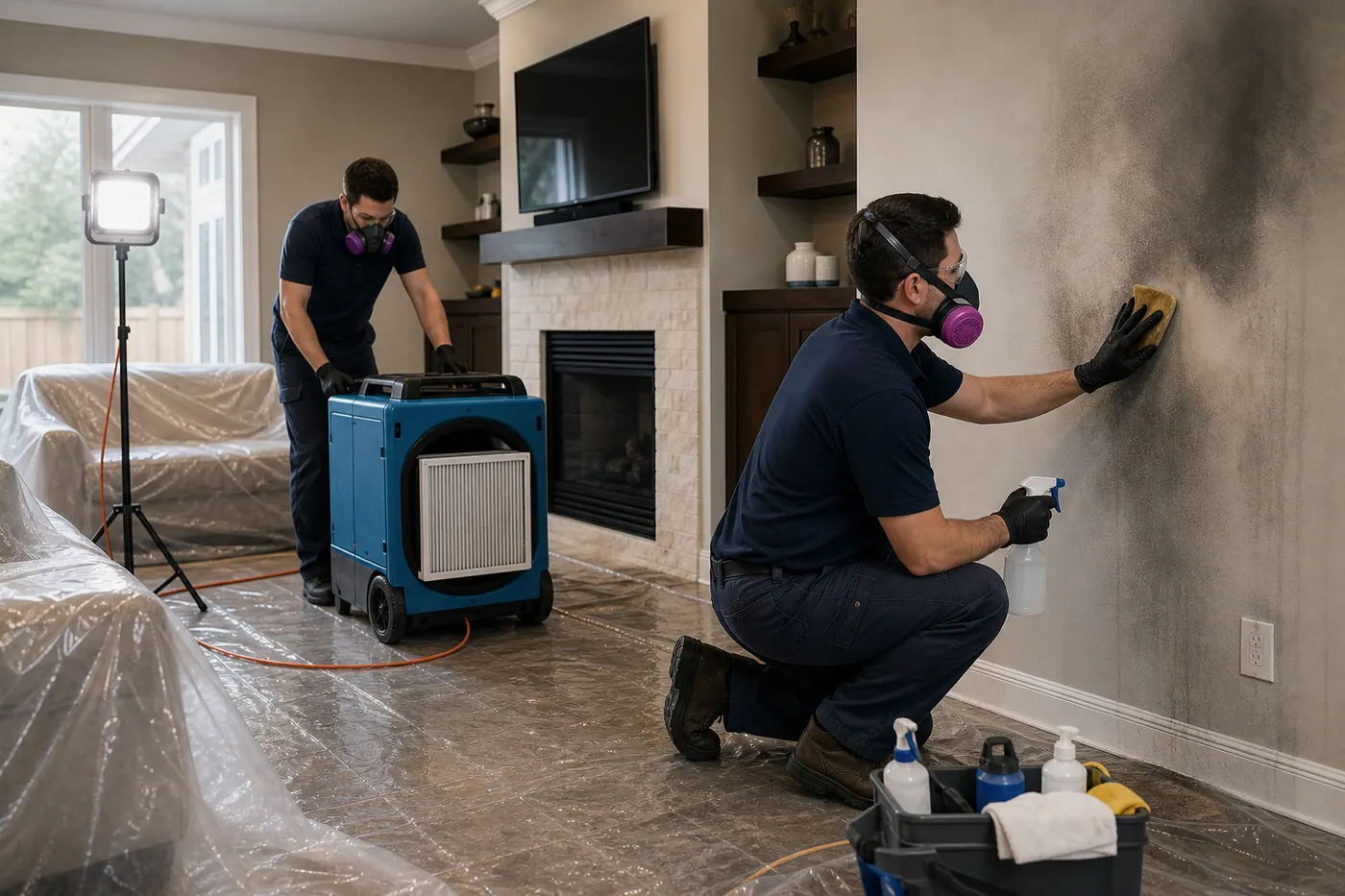
Fire losses need prompt attention because soot and moisture can continue damaging surfaces after the fire is out.
Cleaning products, air scrubbers, drying equipment, moisture meters, and removal tools are chosen based on smoke, soot, and water conditions.
Our technicians understand how smoke moves, how soot affects materials, and how firefighting water can create hidden moisture issues.
Insurance claims for fire damage need photos, inventories, scope notes, and documentation of smoke, soot, water, and material damage.
Fire restoration must be organized carefully. We focus on safety, damage assessment, soot and odor cleanup, drying if water is present, and repair planning.
Fire restoration also includes a careful review of residue type and surface sensitivity. Soot on painted drywall, tile, metal fixtures, fabrics, and electronics may require different handling. We separate cleaning tasks from replacement decisions so the cleanup is thorough without causing avoidable damage to salvageable materials.
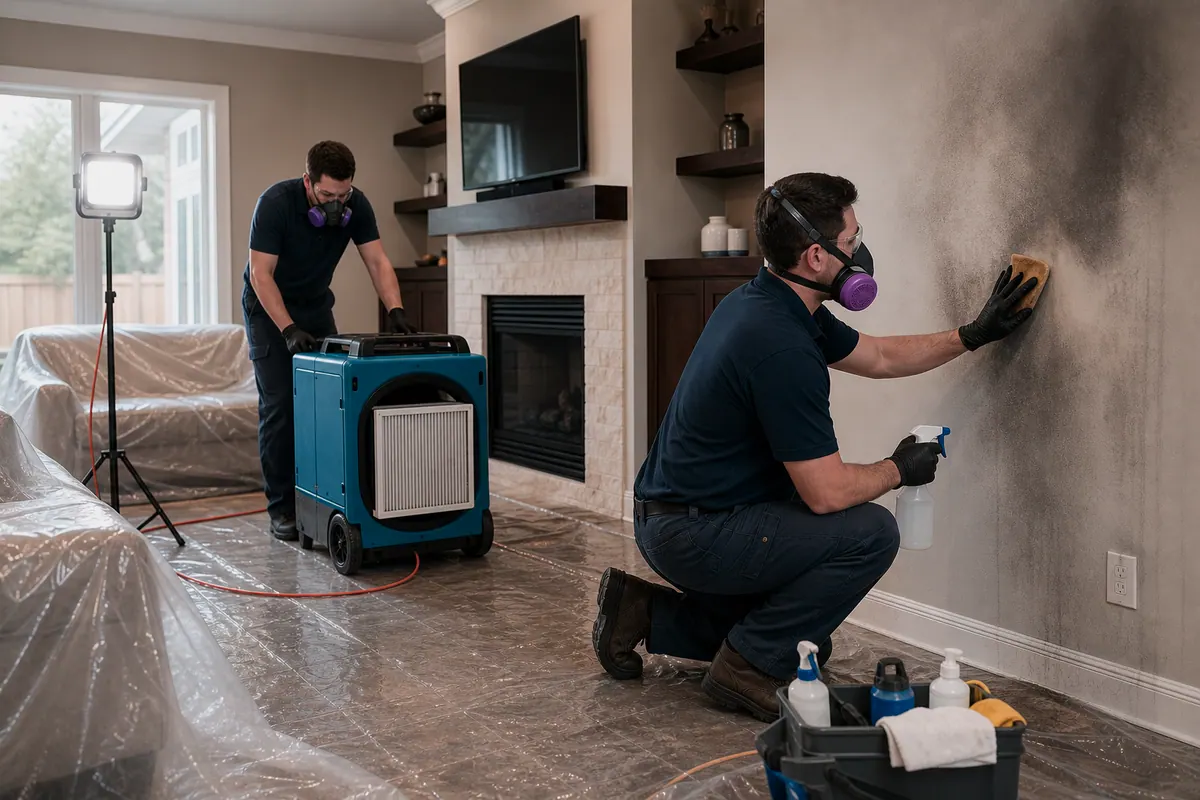
Call once the fire department or proper authority says the structure is safe to access. Early assessment helps prevent soot staining, odor absorption, and water-related damage from getting worse.
Fire damage is commonly reviewed under property insurance, but coverage depends on your policy and the cause. We document visible damage, smoke impact, water damage, and cleanup steps for the claim process.
Yes. If firefighting water or sprinkler water soaked materials, mold can become a concern. Fire restoration often includes water extraction and drying to prevent a second layer of damage.
If your McKinney property has fire, smoke, soot, or water damage after a fire response, call for a careful restoration assessment and cleanup plan. We will review smoke, soot, odor, and water impact together so the cleanup plan covers the full fire-related loss.